


Timber framing stands as one of the oldest and most enduring construction methods in the world. With roots spanning thousands of years across Europe, Asia, and North America, this building tradition has shaped everything from intricate Japanese temples to grand medieval halls and early American barns. Its defining feature—heavy timber joinery—allows for strong, open structures that are both functional and visually striking.
In the United States, timber framing was once a standard approach to construction. However, its widespread use declined during the 19th and 20th centuries with the rise of light wood framing. The introduction of dimensional lumber, standardized fasteners, and faster construction methods made stick-built structures more economical and efficient. As a result, traditional timber framing gradually became a niche practice, and much of the associated craftsmanship and engineering standardization faded over time.
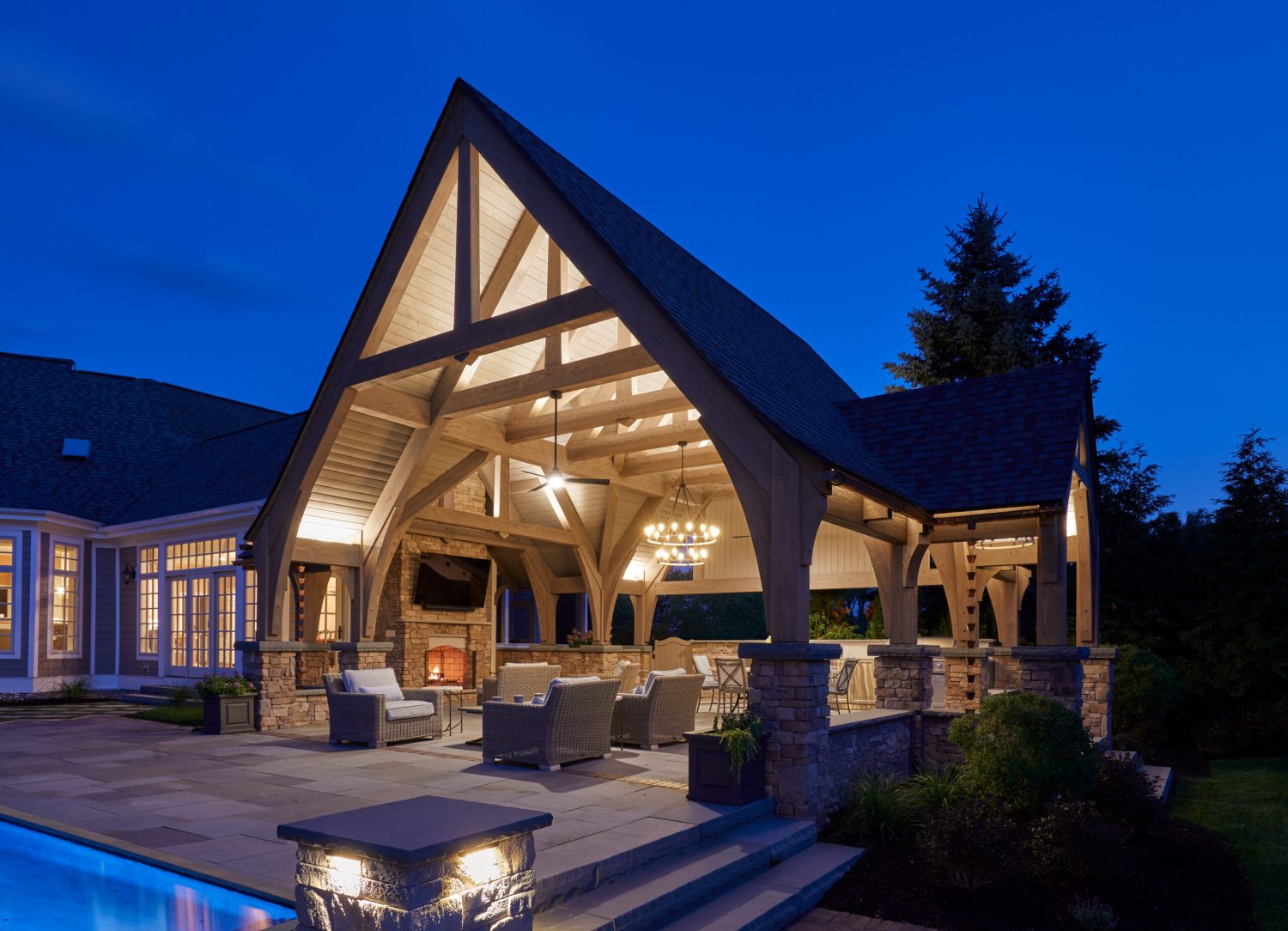
Today, timber framing is making a strong comeback. Architects, builders, and property owners are increasingly drawn to its natural beauty, sustainability, and ability to create unique, high-quality spaces. Whether used in custom homes, lodges, pavilions, event venues, or commercial buildings, timber framing offers long-span capabilities and reduces the need for interior load-bearing walls—resulting in open, flexible layouts and a warm, organic aesthetic.
However, this resurgence comes with challenges. Modern building codes in the United States are largely designed around conventional light-frame construction and newer mass timber systems like cross-laminated timber (CLT) and glulam panels. Traditional timber framing—especially when it involves custom joinery and non-prescriptive designs—does not always fit neatly within these standardized code frameworks.
This is where specialized engineering plays a critical role.
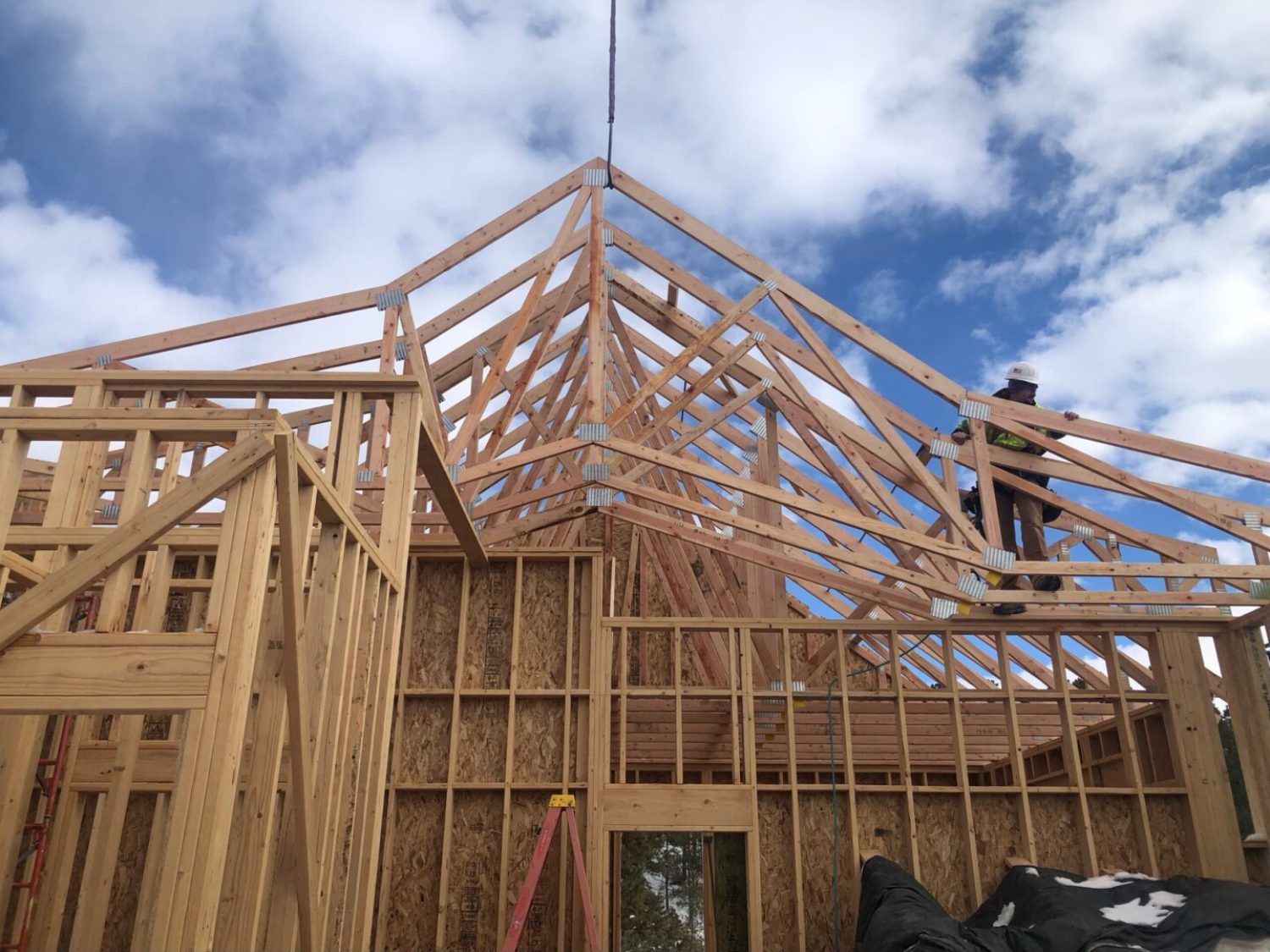
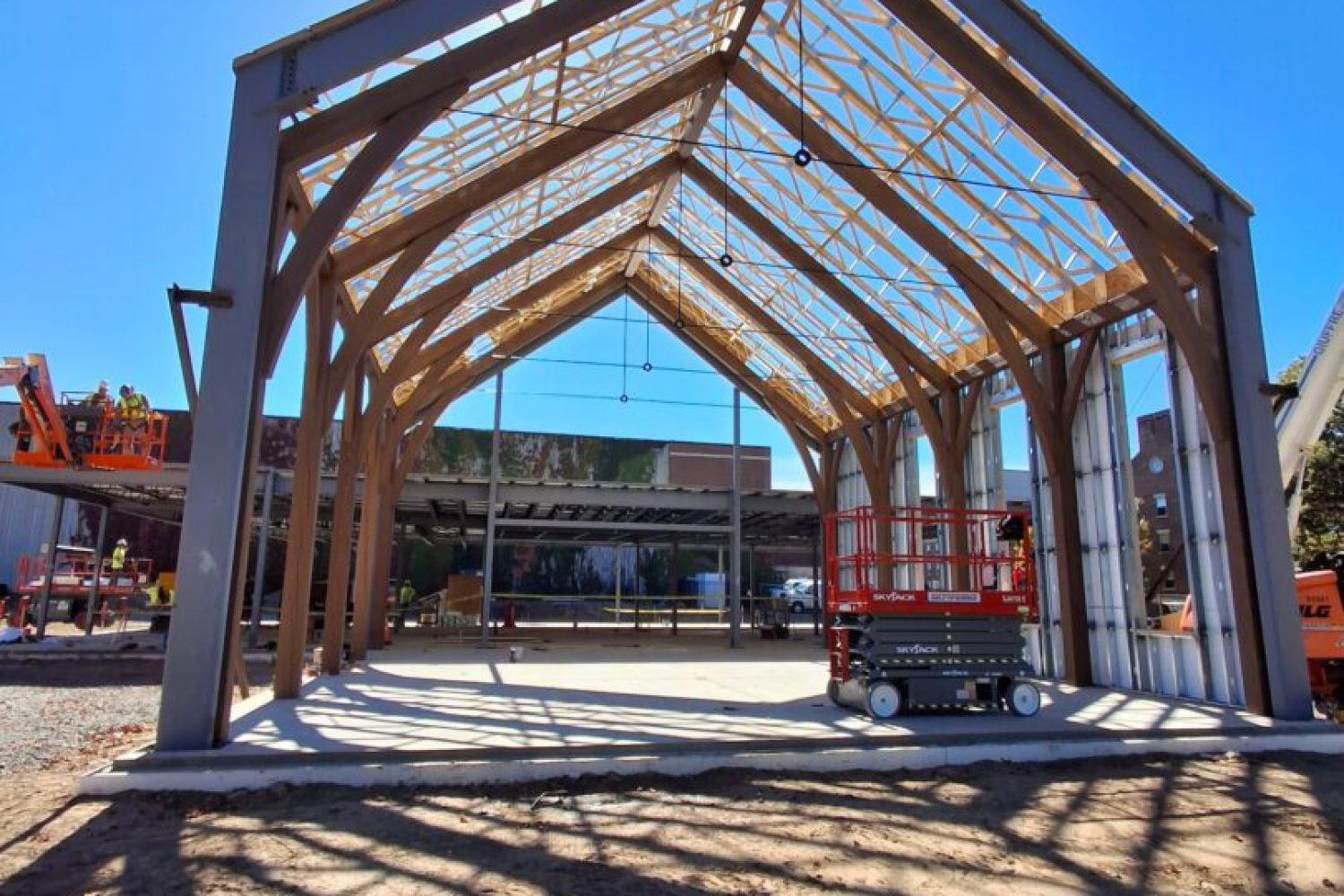
Timber frame structures often require a performance-based design approach, detailed connection analysis, and a thorough understanding of both traditional joinery techniques and modern structural behavior. Each project is unique, and achieving code compliance requires close collaboration between the timber framer, architect, and structural engineer.
Stahly Engineering & Associates has developed a strong specialty in this field. By partnering with timber framers across the country, our team provides engineered solutions that honor traditional craftsmanship while ensuring compliance with modern safety and building code requirements. We deliver fully designed, stamped timber frame systems for both residential and commercial applications and have successfully completed projects in states including Montana, Washington, Oregon, Colorado, Florida, New York, and Vermont.
As interest in timber construction continues to grow, the integration of time-tested building methods with modern engineering expertise is essential. Timber framing represents more than just a construction technique—it’s a connection to history, craftsmanship, and natural materials. With the right engineering support, these timeless structures can thrive in today’s complex regulatory and construction environment.
Stahly Engineering is proud to help bridge that gap—bringing enduring design and modern performance together in every timber frame project.